Will physical retail have a role to play in a Post-COVID world?

The ongoing Covid-19 crisis has profoundly impacted many facets of our lives. The way we shop is no exception. Yet what does the pandemic ‘s effect on physical retail futures mean?

With local laws curtailing our movements at the height of the crisis (and trapping us in our homes in many countries), the way we shopped changed drastically. Restricted high streets and malls, and ecommerce underwent tremendous upliftment. Now that the freeze is easing across the globe, the question arises – does physical retail still have a part to play, and if so, what’s going to be different?

The short answer to that is yes. Physical retail should continue to play an significant part in the relationship between customers and brands. Its dynamics may change slightly, but our high streets do not go anywhere and brands will continue to look at physical retail as a mighty opportunity. What’s important to think is which customer preferences in a post-Covid environment will survive, and which will revert.

We’ll take a look at what’s changed in this article, what it means for physical retail and how brands can adapt.

What’s changed?

It’s no secret that ecommerce has seen a big boom in the last few months. As McKinsey’s consulting group points out, retail will definitely see a gradual rise in online shopping and in areas that had been predominantly store-based in the past. That would be attributed in part to consumers who previously preferred shopping offline, such as baby boomers and Gen Z, being more comfortable with shopping online. Particularly for the supermarket ‘routine’ such as groceries. If they have done it once or twice it is going to become normal.

retail space for rent

According to Forbes, these new consumer habits are likely to persist with an anticipated 20 per cent annual growth in ecommerce across retail as a whole, compared with 15 per cent pre-Covid

In fact this shouldn’t be a big surprise. That was a phenomenon that we’ve seen already. The last few months may have actually accelerated the trend but there is still a vital part to play in physical retail. This is because while ecommerce may have benefited from being

Nonetheless. Although ecommerce success in recent months may have benefited from being a fast and convenient alternative, it can not compete with in-store experience.

Related Post: Here are 5 Financial Advantages of Hosting Pop up Shops

What’s the physical retail getting to the party?
Ecommerce is amazing. What doesn’t want the convenience of their own home to do all their dull ‘routine’ shopping? It’s smoother, quicker and sometimes cheaper. Yet we need to note before we get carried away that this is not a one-size-fits-all case.

Everything this comes down to the experience these days. Name the industry and you’ll find that expertise is at some stage the main differentiator. This is no different in trade. Improvements in ecommerce capability are generally geared towards increasing efficiency and reducing friction. That effectiveness comes at the expense of experience and the key is experience.

Physical stores offer the opportunity to provide interactions that just can not compete with the digital world. There is no alternative. For precisely this reason, digital brands have launched physical stores all over the world over the last few years.

What’s more, it’s obvious that even in the last few months there’s been a big shift to digital, there’s still a need for an experience above and above what a typical ecommerce website offers. For example, here at Myrsa we saw a tenfold increase in inquiries about our Virtual Reality Stores as customers look for ways to differentiate and deliver unique, branded experiences.

kiosk in mall

That is why we are confident physical retail will recover as consumer demand picks up. People are going to return to the high street, back to physical retailing. Yet while we’re sure that physical retail space for rent will return as a retail force, we ‘re also positive it won’t look exactly the same.

What will become of physical retail in a post-covid world?
We need to think about what it will look like in the short term and what it will look like in the long term to answer this issue. The perspective of the short term is interesting; with the shops opening gradually across the globe, we are still catching glimpses of what is to come. We will go through this in more depth in a separate article but it is fair to conclude that physical retail will concentrate on fulfilling consumer standards about hygiene and health over the next few months. Consider PPE, hand sanitiser, and shopping for appointments.

Related Post: Shop on wheels finally takes off in India as brands arrive at societies with retail trucks

The long-term view is even more compelling. When brands use physical to attract new consumers and offer excellent brand experiences, we ‘re likely to see even more of a shift to experiential retail. They need to work on the halo effect to do this – using both the physical and the digital to deliver a seamless customer experience.

In a recent interview, José Neves, founder and CEO of Farfetch’s online luxury shopping platform, took this even further when he said: “Brick-and-mortar digitization was ‘good to have’ in the eyes of many brands and retailers but should be pushed to a ‘must have’”

The Covid-19 crisis has increased transition pace, and the need for reform. Brands capable of integrating online and offline to gain advantages on both sides would be competitive with physical retail (so-called ‘phygital’).

Yet not all digital upgrades. Changed the role of physical retailing. Or rather, it has accelerated the change that it was already experiencing. Stores will focus less on shifting stock and generating revenue, and more on building customer loyalty, gathering insight into marketing and reaching new audiences. More marketing … Less transactional.

This is a phenomenon we’ve seen in the emergence of pop-ups as brand trial sites, run product releases and gain marketing feedback in short-term environments designed to offer outstanding experiences.

We expect that we’ll see less but better flagship stores over the next few years coupled with plenty of flexible retail (like pop-ups shop on rent) to highlight brands and goods, draw new buyers, create brand loyalty and improve online sales. We ‘re going to see versatile retailing in affluent areas where you’d never have seen it before.

Such physical stores can offer less items and sell less, but can have even more entertainment.

Entertainment and the experience is everything.

Shop on wheels finally takes off in India as brands arrive at societies with retail trucks

Some of India’s biggest retailers, from Levi’s and Puma to Reliance Brands and Forever New, are taking the shop to their doorsteps for customers not able to visit a shop. For example, U.S. denim giant Levi’s rolled up wheel stores in the Capital and Gurgaon that park in upmarket residential areas.
Consumers can not only shop for trials at these mobile stores but can also go back to their homes. “Customer response has surpassed all of our expectations,” said Sanjeev Mohanty, MD, South Asia, Middle East and North Africa at Strauss & Co Levi’s.

Many of India’s biggest brands, ranging from Levi’s and Puma to Reliance Brands and Forever New, take the store to their doorsteps for consumers unable to visit a shop. For example, U.S. denim giant Levi’s rolled up wheel stores that park in upmarket residential areas in the Capital and Gurgaon.
Consumers may not only shop at such mobile stores for trials but may also return to their homes. “Consumer response has met all of our expectations,” said Sanjeev Mohanty, MD at Strauss & Co Levi’s, South Asia, Middle East and North Africa.

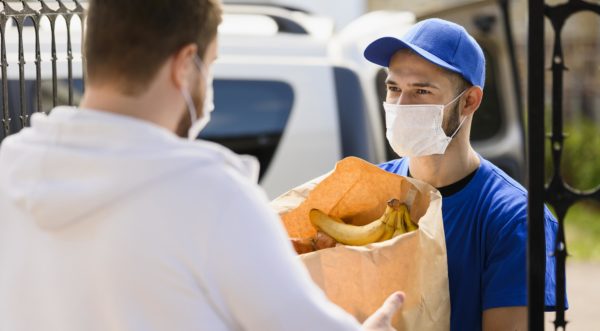
Thanks of COVID-19 consumers got used to shopping online. This shift in their shopping habits is refocusing the logistics industry on last-mile delivery services.

Logistics firms will now need to develop their last-mile capabilities to match the modern times.

Since online shopping has grown in popularity over the past decade or so, online retailers and logistics firms have been driven to find new ways to satisfy their consumers ‘ growing needs. Order fulfillment has always been the cornerstone of every retail company but the quick delivery is what consumers really want these days. The challenge for e-commerce businesses is to accelerate distribution for their customers while still holding down their own costs.

Related Post: How will Life be After Lockdown?

Modern technology has changed the way companies do business, particularly for the better. Unfortunately it has created some specific challenges as well. The same technology that allows consumers to buy goods by pressing a button comes with the assumption that the product will also be delivered quickly. Simple, secure, and effective order fulfillment is the secret to retaining customer loyalty, but it’s also one of the toughest challenges every company has to face.

Nonetheless, What is Last Mile Delivery?
Simply stated, the last mile distribution is the transfer of goods from a transport hub or warehouse to its final destination for distribution. In most cases a personal residence is the final destination. The aim of last mile distribution is to deliver goods as quickly as possible to the consumer while reducing company costs.

last mile delivery

Dairy giant Amul has started offering housing societies and resident welfare associations (RWAs) retailer margins where it supplies necessities directly in the midst of the ongoing shutdown, with societies turning main channels of consumption.

The housing societies’ margins range from 8-12 per cent everywhere, and Amul is directly distributing bulk orders of milk, cheese, ice cream to more than 500 societies across 10 cities, the company said.

“There has been incredible demand from residential complexes around towns since we started the exercise. The retailer margins on different items are being passed on to the housing societies, “reported Amul managing director RS Sodhi.

“Societies likewise interested in gaining strong retailer margins,” he said. Sodhi added that in cities with large red zone footprints, bulk orders per distributor for large housing societies ranged between 75,000-90,000 per day.

Last Mile Delivery Suggestions For Small and Medium Businesses

As you know that housing societies are looking to tie up with brands that can deliver directly to their society in bulk orders. Brands like you can find societies that are near you and connect with them and put up stalls on a daily basis so that you can deliver safe and also at your customers convinience.

When can you find housing societies near you and connect with them?

Myrsa is a platform where you can find access to the societies that are close to you and are looking for bulk deliveries.

You can book a residential space through them on an hourly or a daily basis and have your good delivered. As this is going to stay for a while you must register on Myrsa now and connect with housing societies even after lockdown. This has now become a lifestyle change and you as a brand must keep up to it!

Last-mile delivery of product and service is going to be the new normal. How to get there & stay there?

Thanks of COVID-19 consumers got used to shopping online. This shift in their shopping habits is refocusing the logistics industry on last-mile delivery services.

Logistics firms will now need to develop their last-mile capabilities to match the modern times.

Since online shopping has grown in popularity over the past decade or so, online retailers and logistics firms have been driven to find new ways to satisfy their consumers ‘ growing needs. Order fulfillment has always been the cornerstone of every retail company but the quick delivery is what consumers really want these days. The challenge for e-commerce businesses is to accelerate distribution for their customers while still holding down their own costs.

Related Post: How will Life be After Lockdown?

Modern technology has changed the way companies do business, particularly for the better. Unfortunately it has created some specific challenges as well. The same technology that allows consumers to buy goods by pressing a button comes with the assumption that the product will also be delivered quickly. Simple, secure, and effective order fulfillment is the secret to retaining customer loyalty, but it’s also one of the toughest challenges every company has to face.

Keep reading to learn more about last mile distribution and how to improve order fulfilment.

Nonetheless, What is Last Mile Delivery?
Simply stated, the last mile distribution is the transfer of goods from a transport hub or warehouse to its final destination for distribution. In most cases a personal residence is the final destination. The aim of last mile distribution is to deliver goods as quickly as possible to the consumer while reducing company costs.

Last-mile distribution problems because of COVID-19
This crisis has impacted the logistics industry deeply, beyond undermining other industries in the global economy.

Lack of resources to cope with a sudden rise in demand: most distribution companies are struggling to meet a sudden increase in demand online. With limited resources they work hard to handle large distribution volumes.

Handling of orders issues: Logistics companies face difficulties in collecting and handling orders with the rapid increase in deliveries. Restricted resources have made life harder in the customer fulfillment centers. Know how to get perfect precision when handling deliveries with Locus.
Jump in last-mile delivery costs: The last-mile delivery costs have also risen with an rise in distribution volumes. This has contributed to an increase in maintenance costs, cost of idling, cost of fuel and cost of labor. Add to that free delivery and reverse logistics, it’s a tightrope walk indeed.

Dairy giant Amul has started offering housing societies and resident welfare associations (RWAs) retailer margins where it supplies necessities directly in the midst of the ongoing shutdown, with societies turning main channels of consumption.

The housing societies’ margins range from 8-12 percent everywhere, and Amul is directly distributing bulk orders of milk , cheese, ice cream to more than 500 societies across 10 cities, the company said.

“There has been incredible demand from residential complexes around towns since we started the exercise. The retailer margins on different items are being passed on to the housing societies, “reported Amul managing director RS Sodhi.

“Societies likewise interested in gaining strong retailer margins,” he said. Sodhi added that in cities with large red zone footprints, bulk orders per distributor for large housing societies ranged between 75,000-90,000 per day.

Others including biscuit manufacturer Parle Products said some retailers began sharing part of their profits with RWAs in the event that orders are in bulk.

Related Post: What changes will coworkers expect from co-working spaces after lockdown?

DMart, which operates more than 200 stores across the country, has launched ‘store on wheels’ — a service that will allow DMart trucks carrying critical grocery products for three hours to park in residential companies. The retailer did not comment on whether local authorities are facing opposition from the distribution workers pushing the vehicles.

MD and CEO of Metro Cash & Carry, Arvind Mediratta, told FE that the company was deploying its own trucks to pick up supplies from several warehouses. The company has also launched its e-commerce app to help kiranas order online and give them access to stocks. The company is taking care of the distribution to the business customers, Mediratta said. The availability of items such as Nestle Maggie and HUL toiletries is small , making room for brands in the local area. “Customers are more interested in getting the product than in becoming aware of the brand affinity,” Mediratta said.

Grofers said it launched ‘Society Group Orders’ in a statement on Wednesday, a program in which it has partnered with RWAs of 100 companies across leading metros to make critical products available to more clients. The organization plans to extend the tie-up to other cities in the near future.

Karthik Venkateswaran, co-founder and CEO of B2B startup Jumbotail, said the company is collecting stocks from FMCG companies’ distributors and shipping them to Kirana stores.

Last Mile Delivery Suggestions For Small and Medium Businesses

As you know that housing societies are looking to tie up with brands that can deliver directly to their society in bulk orders. Brands like you can find societies that are near you and connect with them and put up stalls on a daily basis so that you can deliver safe and also at your customers convinience.

When can you find housing societies near you and connect with them?

Myrsa is a platform where you can find acces to the societies that are close to you and are looking for bulk deliveries.

You can book a residential space through them on a hourly or a daily basis and have your good delivered. As this is going to stay for a while you must register on Myrsa now and connect with housing societies even after lockdown. This has now become a lifestyle change and you as a brand must keep up to it!

Ways cafes are getting social distancing right

The way we eat, where we eat, and what we eat may all change because of coronavirus.

Countries around the world are starting to remove constraints on the lockout, and people are looking for lost experiences.

One frequently overlooked experience is restaurant dining. Restaurant owners, chefs and hosts are also looking for ways of securely recreating the dining experience.

If that includes temperature controls or the installation of glass blockages, restaurants around the world have been innovative when it comes to social-distancing initiatives being respected.

Restaurants in Vilnius, the Lithuanian capital, are reopening in style with mannequins filling seats left vacant due to social distancing directives.

Mannequins provide social distancing at the Inn at Little Washington as they prepare to reopen their restaurant Thursday May 14, 2020, in Washington, Va. The manager say that every other table will have mannequins for social distance guidance when, according to state guidelines, the 5-star restaurant will be allowed reopen on May 29th. (AP Photo/Steve Helber)

This week the country started lifting restrictions on lockdowns on bars and restaurants, enabling them to use some indoor seating.

But certain tables must stay empty to hold people away from each other a certain distance and these are used to support local fashion designers.

“Empty tables inside our restaurant look very strange, and we have no way to avoid them,” Bernie Ter Braak, restaurant owner Cozy said in a statement. Aker Braak and the fashion designer Julia Janus came up with the idea.

There are already a few dozen restaurants involved in Vilnius and it is scheduled to be held until the end of May.

“We wanted to reach out to our neighbors, fashion boutique shops, and invited them to use our empty tables to display their newest collections,” Ter Braak said. “The news spread and well-known designers joined this project, which continues to gain popularity in the area.

The restaurants in Lithuania will feature 60 mannequins showing local fashion pieces.

In the middle of the lockout, the clothing industry took a hit as stores closed and retail sales dropped off.

“Designers don’t have many opportunities to showcase their latest collections, and consumption in general is down. We hope this campaign will move the waters and local designers will gain some visibility,” fashion designer Janus said.

According to the official Lithuanian Statistics Office, retail sales for textiles, clothes and footwear decreased by 56 per cent in March compared to February due to coronavirus lockdown measures.

In hopes to create normalcy, waiters at a restaurant in Brussels, Belgium, wore face masks with pictures of themselves.

lodge face masks brussels belgium

The Belgian restaurant, Lodge, opened on June 8 and the waiters and waitresses who wore face masks filled with pictures of themselves welcomed customers.

The goal was to cheer up and welcome the long-awaited diners with a smile.

Burger King in Germany designed social-distancing crowns.

burger kind social distance crowns

The crowns in Germany have been debuted on a Burger King.

Every cardboard crown has a diameter of 6 feet, so that customers are reminded of social distance.

“The do-it-yourself social distance crown has become a fun and humorous way to encourage our guests to practice social distance as they enjoy food in the restaurants,” a representative from Burger King told Business Insider.

A restaurant in Thailand added cartoon dragons to its tables to indicate where customers can sit.

dragon cartoon thailand restaurant

A restaurant in Bangkok, Thailand, decided to sit cartoon dragons at its tables.

In an effort to maintain social distancing, customers sit on one side of the table — the side without the bright green dragon.

Pool noodle hats gave people a smile and a way to socially distance themselves at a German café.

pool noodles germany

Café & Konditorei Rothe reopened earlier this month in the state of Mecklenburg-Vorpommern, Germany.

The café had customers wear hats with pool noodles attached as a silly way to socially distance.

“In these difficult times, it’s a pleasure to make others smile,” restaurant owner Jacqueline Rothe told Insider.

Restaurants and cafes have a lot of empty spaces right now and Myrsa will help monetize all your spaces. You can connect with brands that are local and showcase their products in your cafe. You can earn extra revenue as well as maintain social distancing with it.

Register your spaces on Myrsa and you can tie up with brands even after COVID time.

Here are 5 Financial Advantages of Hosting Pop up Shops

If you run an e-commerce retail store, or mostly sell your products at markets and trunk shows, you may have tossed around the idea of opening a permanent, brick-and-mortar location at some point.

But if you’re unsure if it’s worth the investment to spend all your working capital to open a store, try opening a pop-up shop.

Pop-up shops are temporary retail spaces for rent that can last up to a day or a few months. Pop-up stores are meant to be short-lived, unlike a permanent store. You can use them to show a physical location— as well as certain items, or your marketing strategies, or anything else you want to try out in a low-stakes environment.

Related Post: 8 Tips To Grow Your Seasonal Retail Business

If you’re still unsure How successful are pop up shops? What are the benefits of pop up shops?; if you’re going to invest your initiative and earnings in a pop-up shop, check out the five financial benefits of shooting it:

Discover the benefits of a shop without any investment

The clearest justification to try a pop-up store before opening a permanent location is that you can see for yourself whether it would be worth investing in the latter.

You can find that your personal sales don’t suit what you’re doing online with a pop-up. Or you might find that people in this community love your goods and if you set up a full-time store, they will help you. But until you try, you’re not going to know!

popup shop on rent

Take advantage of busy shopping seasons in-store

For many of us, these days it may feel like everybody shops online. But the vast majority of shopping is still taking place in-store during the holidays. (In 2019, 84 per cent of holiday shopping took place in brick-and-mortar shops.)

Supercharge your holiday sales by opening a pop-up shop, taking advantage of people’s love of window shopping and boost buying during November and December — or long holiday weekends all year round.

Create word-of-mouth buzz for your efforts online

Everyone believes that word-of-mouth advertising is one of the most successful ways of marketing available. Unfortunately, measuring is nearly impossible, both in terms of how much it happens and how much you can attribute it to any of your marketing efforts.

A successful pop-up shop is a great way for people who might not have met your brand otherwise to build up buzz. See how much new business your pop-up has offered you by circulating business cards with a pop-up shop-specific landing page URL and enabling shoppers to use a special discount code while shopping online in the future.

kiosk in malls

If you see from these efforts a lot of movement and new sales, you’ll know that your pop-up on rent has done the trick.

Strengthen your email marketing efforts

Speaking of email, one of the best forms of digital marketing out there is email marketing— considering that the ROI is almost unmatched and that you can effectively measure it.

To raise your email subscription list, use your pop-up shop as an avenue. Collect buy-in email addresses, ask users if they want to sign up to learn about offers, and invite people to leave their business cards or emails with you to enter a raffle and win a prize. Then you can continue to engage them.

Related Post:Factors To Consider When Buying Or Renting Warehouse Space In India

Offload unsold inventory

You can burn hole in your pocket with unsold inventory. It’s expensive to keep on warehouse shelves, and as it gets older and older it will continue to lose value. The pop-up shop may be the perfect place to turn out that old inventory and give it new life. Sell it at a discount and save what you can from its sales, instead of absolutely resigning yourself to losing it.

Myrsa will make this process of finding space for your popup shop easier. You can find spaces like shops in malls or even in residential areas where you can set up your shops, stalls, kiosks. This will help your business a lot with profit-making. Register your brand on Myrsa and keep a check on available spaces that are ideal for your business.


What changes will coworkers expect from co-working spaces after lockdown?

The coronavirus pandemic has shaken the world and now all of the colleagues who once worked side by side in a vibrant and successful work atmosphere are working from home. For many, coworking is synonymous with a friendly work environment where everyone is a part of a group, and coworkers now confined to their homes desperately lack this group component of coworking.

Although work from home has its own advantages, coworking will continue to expand in the long run as a multi-million – dollar industry that supports start-ups and small business growth.

Of course, there will be a few changes or rather changes in coworking spaces, as expected by companies that are already on the coworking crowd, such as:

Health Screening for new Workspace Joiners

health screening at office

For most companies, like versatile and shared office space providers, the COVID-19 pandemic is sure to be a big hit. As with many other sectors, coworking spaces are unlikely to see clientele growth for the near future.

That being said, the pandemic will be nothing more than a hiccup to the coworking movement ‘s rapid growth and popularity. Until coworking spaces start brimming with new inquiries from small business owners and entrepreneurs who want to join the coworking bandwagon, it won’tbe too long.

After the pandemic subsides, current businesses that will start operating in their coworking room will want new joiners to get proper health screening. So, coworking space providers need to develop a standardized health screening procedure to ensure the wellbeing of all clients.

A Stronger Than Ever Before Focus on Work Environment Hygiene
It almost goes without saying that in terms of maintaining workplace hygiene and sanitation, the coworking spaces are expected to level up.

That is, the office spaces will be littered with sanitizers and tissue boxes. Restrooms are going to be cleaner than ever. Sanitation related coworking policies will need to regularly be revised and new posters will be created to remind coworkers to regularly wash their hands.

Essentially, coworking spaces should become better that will help avoid the spread of all infectious diseases, not just coronavirus.

Regular Free Health Checkups for Coworkers

Most well-established coworking firms go above and beyond establishing a community-like atmosphere in the workplace by regularly organizing networking events, such as breakfast meetups, film screenings, and gaming tournaments where all coworkers can participate.

And from time to time, some of these coworking providers also host free health checkups for all coworkers. Till the start of 2020, free health checkups would’ve been no more than a nice bonus to attract new clients for coworking providers.

But now companies who have signed up for shared space will also expect the coworking service to hold health check-ups to ensure that anyone who uses the workspace is safe. Startups considering moving to coworking spaces can even inquire about certain advantages.

Related Post: The future of Co-working looks bright

Extension of Coworking Benefits to Remote Workers

There’s no relief from the fact that the remote working phenomenon is very much on the rise alongside coworking. The coronavirus pandemic will further the remote working trend and it could be expected that coworking spaces will expand the in-house facilities they provide to accommodate remote employees too.

Such virtual office advantages can include setting up a WiFi network for work, a free software subscription, or a nearby gym membership for remote startup workers who mainly operate from the coworking space. However, only time can tell whether coworking spaces are required to expand benefits and facilities to accommodate remote work and whether they are able to do so.

Change in the Office Layout

In addition, when businesses resume operating from coworking spaces, they should expect a guideline on the social distance to be in place within the workplace. This will consist of maintaining at all times a minimum physical distance between colleagues with the aid of a changed office layout and more scattered workstations.

This may also require a strategy that encourages businesses to work in shifts in order to ensure that the coworking room is not brimming with people in close touch.

Related Post: How will Life be After Lockdown?

Final Thoughts

It seems like we’re still very far away from the novel coronavirus’ full resolution but in the long run, given the various advantages of operating in a shared office, coworking as an industry would only boom.
Ultimately, if anything, the pandemic would further boost the coworking spaces and make them safer.

How will Life be After Lockdown?

The Center has suspended air, metro, and inter-state bus travel across India for around one and a half months to stop the spread of coronavirus. K ASIF has also been shut down, apart from financial, political, economic, religious and other gatherings, hotels, restaurants, cinemas, malls, gyms, sports complexes, schools, colleges …

Yet even though the lockout is lifted, or more curbs go, life is never going to be the same again. Significant changes are awaiting people as the country has new ways to shop, ride, book in hotels, watch movies or even dine out.

Many businesses engaged in offering services such as air travel, retail, food & beverages (F&B) and hotels are expected to reduce their offerings in the initial months as they comply with social distancing requirements and cut operating costs in the face of a tough business environment.

Post-lockdown preparations are charted as the government prepares to lift new restrictions.
Most businesses plan to remain depressed by demand at least until October until the festive season elevates consumer sentiment.
Hoteliers, airlines, retailers and shopping centre managers state that when they re-open, they plan to play it safe.

After zoning districts and areas between red, orange, and green based on case numbers for coronavirus, the government has significantly eliminated curbs outside hotspots and authorized the opening of stand-alone shops and establishments. It has signaled that after 17 May, the last date of lockdown 3.0, further economic activity will be permitted.

Many industry experts believe the epidemic would result in drastic changes in consumer and business perceptions, habits, and expectations that will reshape their products and services accordingly. Consumers would be more worried about their wellbeing and expect the service providers to be more hygienic.

SHOPPING MALLS

According to industry insiders, consumer experience does not stay the same at shopping malls. Mall owners are charting new rules taking customer footfall and construction structure into account.

Manoj Gaur, managing director of the Gaurs Group, said that large-format stores such as Big Bazaar could be advised to restrict entry and obey social distancing norms, while preference could be given to small stores to start operations.

“It would be best for large format stores to uphold socially distancing norms, high hygiene standards and restrict people ‘s entry,” he said.

On the possibility of lower revenue and high operational costs, Gaur said the government would need to announce a relief package that includes lower GST, without which many jobs could be lost.

Wholesale retailer Metro Cash And Carry India Pvt Ltd have strictly prohibited customers who do not wear masks or are identified at 99-100 temperatures during thermal screening in what appears to offer the glimpse of shopping stores post lockdown.

“We have required wearing masks for each client. We do infrared temperature scans for all and those with 99-100 temperatures are not permitted. Only small people are permitted every hour, 50-60 versus 500-600 at any given time before. Cashiers are expected to wear face masks to guarantee the safety of both customers and employees, “said Metro Cash & Carry India MD and CEO Arvind Mediratta.

In addition, the Indian arm of the German retailer has started to send customers appointments over the phone or online to visit the store so no crowding occurs.

Footwear and clothing retailer Woodland will also restrict the number of customers entering the store at one time and allow them to wear gloves and masks.

The company is working on plans for customers to disinfect a product after trial.

“Normally when we try shoes and all of them, we have disposable socks. Likewise, we’ll see if a product that’s being tested can be disinfected, so we’re working on something like this even with garments,” the expert said.

Cinema

Even movie-goers can be in for a disappointment as new releases are highly unlikely.

They will have to make peace with certain films that have been pre-released.

Movie production has gone haywire and it is inevitable that multiplexes will return to old films.

Upon agreement on shutdown, multiplex operators will discuss a potential action plan with distributors.

“It’s hard to tell. We ‘re going to have to see how things go. At this point, we ‘re going to have to start talking to distributors to see what kind of content pipeline there is and what all the choices we have. So, it’s hard to predict at this point in time,” said Multiplex Association of India (MAI) President Deepak Asher.

Asked whether to play old Hindi movies, Asher said it was an option but there would also be English movies and other content.

Discussing the post-lockdown re-opening plan, the MAI president said it was proposed that multiplexes should not sell more than 50% of the seats in order to maintain a seat difference between two men.

“We ‘re going to schedule film and intermission timings to make sure so many people don’t come to lobby or other locations,” he said.

Unlike other service providers, airlines are also facing a double whammy of low demand and higher costs to enforce social distance requirements.

A top private airline executive said putting any social distancing standard in place has a cost. There is also confusion about some states which enforce a longer lockdown in the red and orange zones, which affect flights.

If the air travel ban is removed and states enforce lockdown, this will pose challenges for both passengers and airlines.

“Grounding the aircraft is easier than flying it again! But when you ground the aircraft you park it wherever you find it, so it is parked all over the country, not usually in official parking bays with fuel pump connections, etc. It would take several days longer to bring them back into service than to ground them,” he said.

The industry expects some pent-up demand in the initial days, as the service will be used by people trapped in different locations. But demand will then slump at least until people felt free to travel.

This is why airlines should sell fewer flights and sectors. The nodal Ministry of Civil Aviation is scheduled to announce the opening of domestic flights for passengers, airports and airlines with separate riders.

Private airlines such as Spice-Jet, IndiGo and Vistara have opened flight reservations with effect from 1 June 2020.

HOTELS

Similarly, hotels are also anticipating demand to pick up after having lifted the lockdown for at least six months. Since other limits, such as on public meetings, are expected to remain even after the lockout, hotels won’t provide space for conventions, weddings and events. The hotel industry is anticipating a substantial reduction in manpower and other costs. They are unable to offer all services at once, in the event of lower demand.

“Business will come back starting with accommodation. In terms of meetings, conferences, weddings, we ‘re looking at a much longer period until the states allow you to do those things and people feel confident getting together in secluded areas. So, we ‘re probably looking at accommodation first and then dining room service.
Bakaya said payroll and electricity were the two main expenses and in the face of reduced demand, they should be rationalised.
“If there is no list, how can we pay? Where does the money come from,” asks the hotelier

How much is rent in a mall in Mumbai?

Looking to create a fun shopping or pop-up experience? It can be a challenging challenge to find the right room with so many unknown variables — and one of the first important questions that will arise is, “How much does it cost to rent a store in the mall? “You know that temporary shopping interactions are all about finding the right location for consumers to get involved with their product or service. Many malls, however, make you go through hoops to find out the prices for the best stores open.

We also gathered details about what rental spaces are to be sold at the mall, as well as an estimation of what it costs to rent one. We’ll also be offering several alternatives to mall rooms, including chic cafes, vibrant art galleries, and more.

Why do the people in the mall rent out stores?

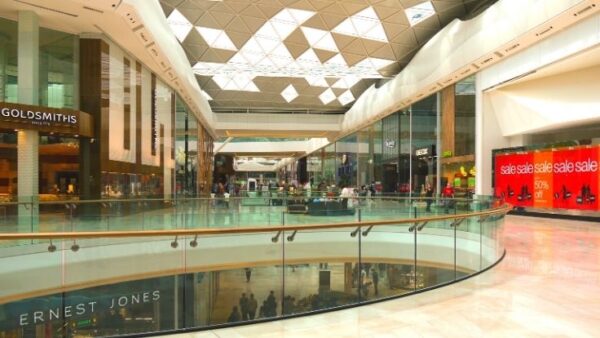
While shopping centres aren’t as popular as they once were, shopping centres are still a place for shoppers to visit their favourite stores and find new ones. There are several reasons why anyone in the mall would like to rent a store — whether it’s opening a boutique, offering facilities or entertaining.

Another growing area for malls and other rental spaces is the pop-up shops and shopping experiences. Companies are trying to develop exclusive products that aren’t like a typical brick and mortar shop. These short-term events will provide brands of all sizes and budgets with an opportunity to move into a physical market in a city or region that they have not yet had a presence in.

Related Post: 8 Tips To Grow Your Seasonal Retail Business

The temporary shops can generate exciting buzz on social media and draw new clients to your company. Besides mall rooms, to give your pop-up a different flair, you can also try other exclusive rental rooms like cafes, art galleries or trendy shop fronts. Later in the article, we’ll have some fun tips to give you an idea of what’s out there beyond space in a store.

kiosk in mall

How much does it cost to rent a store in the mall?

Retail real estate now in Mumbai is the most expensive, followed by New Delhi and then Bangalore. Rent is calculated on the basis of the floor the store is situated on. The ground floor demands a premium as a rule of thumb and is typically the most expensive. This is only leased to established retailers on the regional and national level. The first-floor rent is about 20-25 per cent lower than the ground and the second floor is about 30% lower than the first floor.
You can expect an average mall rent (averaged over all floors) per SQFT per month to be around Rs. 170 (+ /- 10 per cent) for all Mumbai properties.

Many other malls do not disclose their pricing and only have square footage and other famous businesses in the surrounding area. Bear in mind that many malls will charge higher rents for being close to famous department stores or retail outlets such as Apple. Of course, you want the maximum amount of foot traffic, but in a shopping environment, it certainly would cost you.

Related Post: What is Location-Based Marketing?

How to rent a store in the mall

It can be super challenging to find a retail spot for your pop-up — do you ever wish there was a place in your town that listed every option? Okay, luckily there is something exactly like that already! Rather than renting from a big mall, go local and rent from one of Myrsa’s many hosts — find Temporary rental spaces near you

Myrsa has so many shops, restaurants and stores available for rent in dozens of cities across the country. Plus, rates and services are upfront and you don’t have to go with various sales representatives from phone call after a phone call.

mall space for rent

Additionally, Myrsa will help you narrow down what you’re searching for with search filters for location and amenity. Check at the photo collection, see what kind of equipment is included in the rent and get in direct touch with the property’s host.

Other factors to consider

Although cost is a major factor in choosing a property, you should also consider what kind of crowd you get at a mall vs. other retail locations. A shop close to famous bars, restaurants and things to do might be easier on your target market than in a dusty shopping mall.

Finding the response “How much is it costing to rent a store in the mall? “Can be time-consuming and wearisome. We hope we’ve helped you understand the cost of renting a store at the mall with some options that may better suit your needs.

This is How You Can Make Passive Income With No Investment

Money matters. There should be no doubt about that. If you don’t have enough to satisfy your basic needs and need a couple, there’s no chance you’ll be happy or content in life. Of course, everyone knows this. The desire for money is actually why most of us go to work. But, is it never really enough? There’s always someplace we’d like to visit or some product we’d like to buy but we can’t do that because of our empty bank account. So how do we get that extra piece of money we’re always looking for? The solution is to capitalize on the internet’s power to generate a steady stream of passive income.

The cornerstone of Personal Finance appears to be passive profits. I mean what could be easier when it comes to income than earning without having to exchange your time for money?

Passive income has two main paths-either you spend money to make it happen, or you spend time to make it happen. But there’s one-third option? Kind of.

1. Rent your Space

If you happen to own a vacant space in your house, apartment, office or your store, you have a great source for your disposal to produce passive income. Space rental platform like Myrsa has made it incredibly convenient for property owners to make extra money by renting out their extra space to visitors for short periods of time. Your spaces like studios, garden, classroom, and common areas can be rented out for an hour or a day. List your spaces and start earning instantly. 

2. Write a Guide or Online Course

In recent years, online learning sites have become increasingly popular with people who use sites such as Coursera, Lynda, and Udemy to learn courses about their personal interests. Whether it’s web design, photography or digital marketing, if you’re experienced in any area, you can create a course on platforms like Udemy or Unacademy and earn money when users register for it.

Related Post: Here are 5 Financial Advantages of Hosting Pop up Shops

3. Sell Pictures of stock

If you happen to be a photography enthusiast, consider selling your images to websites such as Shutterstock, Alamy and iStockPhoto for stock image. The market for high-quality photographs in accordance with this business’ competitiveness. So, if you find a niche (such as landscape photography or business photography) and establish yourself on even one site as an expert in it, you can surely earn a lot of money in your bedtime.

4. Start a podcast

The lives of people these days are so fast paced that the need of the hour has become multitasking. That explains why podcasts have become so popular all of a sudden; they allow people to get information or entertainment while they are in the middle of commuting, working out, cooking, or something else. Podcasts are easier to make than videos from YouTube, and can easily be posted on iTunes. Simply pick a subject you’re well informed about or passionate about, and start a podcast around it, it’s that easy.

5. Affiliate and marketing referrals

Affiliate marketing and referral marketing includes pushing sales to another company and then charging you a fee on each product you make from your efforts. The affiliate marketing plan for Amazon Associates is one of the best choices for people looking for a way to earn money. You need to set up a website with outbound links redirecting to products on Amazon (or another website providing affiliate programs) and if the product is bought by a customer from your site, then that business pays you a share of the amount spent.

6. Offer an eBook.

Writing and publishing an eBook has become a widely popular means of earning passive income in recent years. Notably successful eBooks on non-fiction topics such as online marketing, business development, career advice and the like. Although fiction eBooks are also good sellers, they are far more competitive in the market compared to non-fiction ones. Once you’ve written an eBook, you can put it up for sale on platforms like Amazon’s Kindle Direct Publishing or Apple’s iTunes Connect.

Related Post: 7 ways to find Creative locations for your next photoshoot!

7. Express your skills via video channels [Youtube]

Were there any unique dance moves, singing skills, mimicry art, comedy stand-in or comprehensive exercise sessions? Present your creativity to the world from your own channel, use YouTube videos. YouTube is an incredibly popular and exciting platform for getting yourself a good flow of passive income.

You will be charged higher based on the amount of views, shares, subscriptions and popularity your channel will earn through various categories of users.

A few people who started their own YouTube channel now are millionaires when the video-sharing platform was in its nascent stage. Now that YouTube has become incredibly popular with hordes of people running their own channels making it considerably more difficult to make a million dollars, but it is still possible to earn a decent amount of money. As always, you’re going to have to find a niche that isn’t filled yet, and concentrate on making videos around it. When you start raking up views and subscriptions, with minimal effort on your part, the money will start flowing in.

8. Sell artwork and crafts to you

If you’re a graphic designer or just an aspiring artist, you’ll find plenty of places that will pay you for sharing your work. Sites such as Etsy, Zazzle, and The Souled Store allow people to attach t-shirts, phone cases, mugs, posters, book covers, and more to their designs. The sites then pay a fee to the contributing artist if and when those items are purchased.


How to Maintain Your Properties During This Time of Social Distancing?

Regardless of COVID-19 social distancing continues to affect life as we know it in the United States,several businesses stepped back, restaurants closed their doors and big events were postponed. With all these problems, there’s one thing that hasn’t stopped for property managers and community association managers, and that’s maintenance requests, repairs, and upkeep.

It’s hard to know what to do in times like these — and you’re not alone — many property managers ask the same questions:

  • How can I go on with my maintenance activities if I can not go on site?
  • How can I provide the quality of service my clients deserve when they don’t want a repair technician to visit their home?
  • How can I guarantee the health of my technicians and my residents while still doing the work?
  • How will I treat requests for preservation of common areas within my community associations?

Those are tough questions and while we can not answer all of them, at this point we can give you a few easy ways to fix maintenance requests. Here are 5 things property and neighborhood administrators should do right now to improve their social distance maintenance operations:

1.Schedule Non-Urgent Repairs :

One thing you can do to that person-to-person contact with your tenants and staff instantly is to delay non-emergency repairs. Begin by communicating this via email or text message to your people, letting them know it’s for their protection and that of your employees. Be empathetic about their problem and make sure that at a later date you can follow up on their appeal.

Through deferring these types of demands, your maintenance technicians will concentrate their resources on critical repairs— such as roof leaks, plumbing failures, and water main breaks— so that your property continues running smoothly.

When there is an urgent repair that must be done on the house, whether it is indoors or outdoors, make sure that your staff is fitted with protective equipment such as latex Gloves, face masks, and sanitation materials. Additionally, confirm with your residents that your team meets approved CDC protocols and offer to join their unit if they’re on a walk to reduce interaction further.

2.Communications Optimization:

With many of the team members operating remotely and fewer on-site staff, it can be difficult to ensure that you interact efficiently when it comes to maintenance requests and repairs. Fortunately there are mobile devices to help you streamline communications.

property management solution

3.Keep common places clean:

Clean Another way to keep your property and neighborhoods secure while preventing COVID-19 from spreading is to clean your common areas regularly. Currently, the CDC recommends that regularly accessed surfaces such as door handles, elevator keys, shared bathrooms and regular railings be disinfected. Make sure the cleaning staff do have protective equipment while operating.

4.Consult with vendors:

In addition to cleanliness, maintaining good contact with your vendors and ensuring that they obey the same protocols is very critical. Asking about their COVID-19 management plan is a good idea because you know that you’re on the same page. Send daily email notifications to vendors with the guidelines of your communities to communicate and bring with residents and perform maintenance duties. Additionally, in case an employee calls in sick, create a contingency staffing plan.

5.Perform Digital Inspections:

Some property managers and community administrators may have scheduled annual routine inspections in the coming weeks. Consider postponing these during social distancing, or see whether residents are open to doing a virtual inspection using their devices. Just ask them to take pictures of each room, and then send them to your team by email or text.

Consider waiving late penalties for neighborhood groups where breaches are minuscule.

Social distancing poses problems for property and neighborhood association administrators but you can ensure consistency with your maintenance activities by taking the appropriate steps and using the required mobile devices. Begin by interacting proactively with your employees, vendors, and residents about how you will manage inquiries, preserve cleanliness, communicate with others, and make urgent repairs. When you have a strong business plan in place, you will continue to respond with agility and trust.

Mpower being Property Management Software is useful for managing multiple properties with all the essential features that your business needs. Whether you are a landlord managing a handful of properties or a property manager with hundreds of properties

Proudly powered by WordPress | Theme: Baskerville 2 by Anders Noren.

Up ↑